Araku Valley is not meant for a rushed one-day Vizag–Araku–Vizag dash. Most travellers attempt that mistake. Nestled in the Eastern Ghats mountains of Andhra Pradesh, Araku rewards travellers who slow down, wake up early, and allow the landscape to unfold naturally. To enjoy that true emotion, you must need a definite Araku Valley Trip Plan.
This Araku Valley Trip Plan for 2 Days (1 Night) is designed for travellers starting from Vizag who want to experience caves, waterfalls, coffee plantations, tribal culture, sunrise viewpoints, and scenic hill roads—without feeling exhausted, and af course, without missing a single excitement.
If you stay one night in Araku, the valley feels completely different from a hurried day trip.
Before You Start: How to Travel for This Araku Valley Trip Plan
You can reach Araku by train or by road.
The early morning train (around 7:00 AM / 9:10 AM) from Vizag is scenic, passing through tunnels and lush hill stretches. However, if you want to follow this complete Araku Valley Trip Plan for 2 Days, hiring a car is more practical because several key spots are not accessible directly by train.
Car hire cost (2 days from Vizag):
- Sedan: ₹7,000–₹9,000
- SUV: ₹9,000–₹12,000
Start your journey by 8:00 AM to cover Day 1 comfortably.
Day 1: Vizag to Araku via Borra Caves – Adventure & Landscapes
Day 1 is slightly packed but extremely rewarding. You will gradually move from the coastal plains into dense forested hills.
1. Simhachalam Temple (Optional Early Stop)
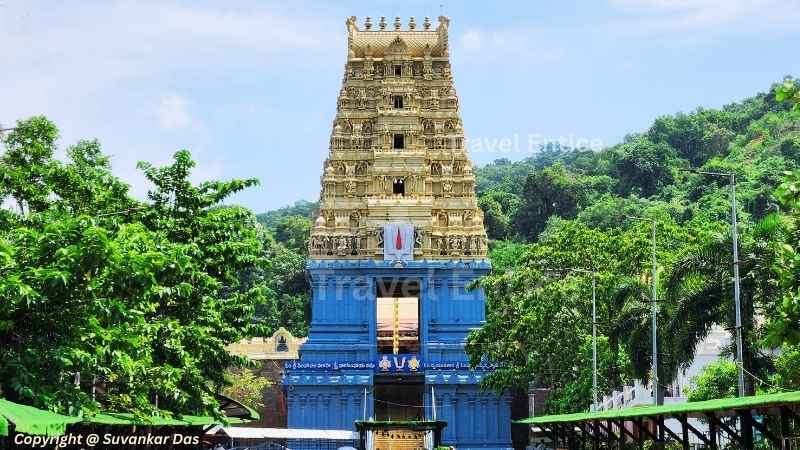
Located on the way out of Vizag, Simhachalam Temple sits peacefully on a hill. Even if you are not particularly religious, the early morning atmosphere here is calm and refreshing. It serves as a gentle transition from city traffic into mountain roads.
Spending 30–45 minutes here helps pace your journey before the longer drive begins.
Entry: Free (Special darshan available)
2. Borra Caves – The Gateway to the Eastern Ghats
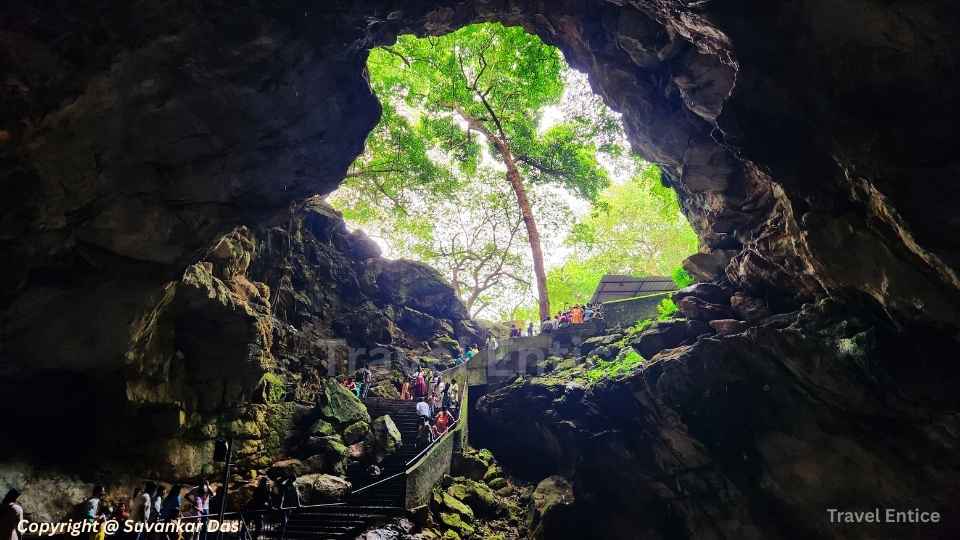
Borra Caves are one of the most impressive limestone cave systems in India. As you step inside, the temperature drops and the echoing chambers immediately create a sense of scale and history.
Massive stalactite and stalagmite formations hang from the ceiling and rise from the ground, some naturally shaped in forms that resemble animals or deities. The caves are well-lit and safe, yet they retain a raw, ancient atmosphere.
Spend at least 1.5 to 2 hours exploring slowly.
Entry Fee: ₹50
Best time: Before 11 AM
Food Tip: Try bamboo chicken at nearby stalls.
3. Katiki Waterfalls – Raw and Untouched
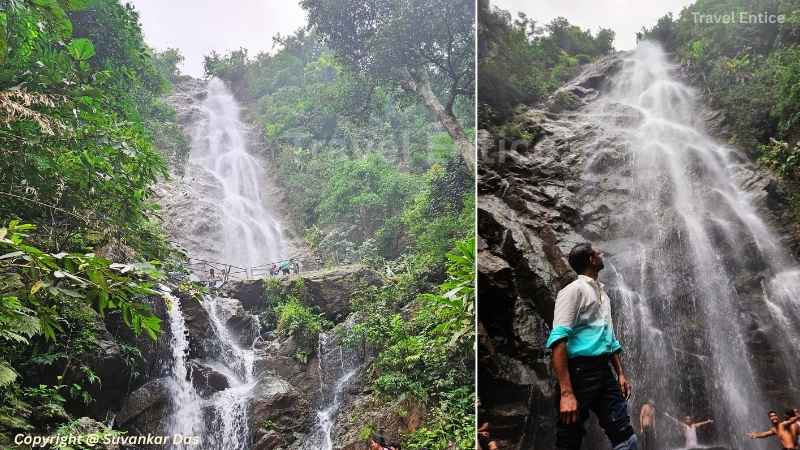
About 4 km from Borra lies the jeep point for Katiki Falls. From there, you must take a local jeep ride followed by a short forest hike.
The effort is worth it.
Katiki Falls is not overly commercialized. The waterfall drops dramatically against rocky terrain surrounded by thick greenery. During post-monsoon and winter, the water flow is strong and photogenic.
This stop adds adventure to your Araku Valley Trip Plan for 2 Days.
Jeep Cost: ₹200 per person or ₹1,500 per jeep
Time Required: 1.5–2 hours
4. Galikonda View Point – Quick Valley Halt
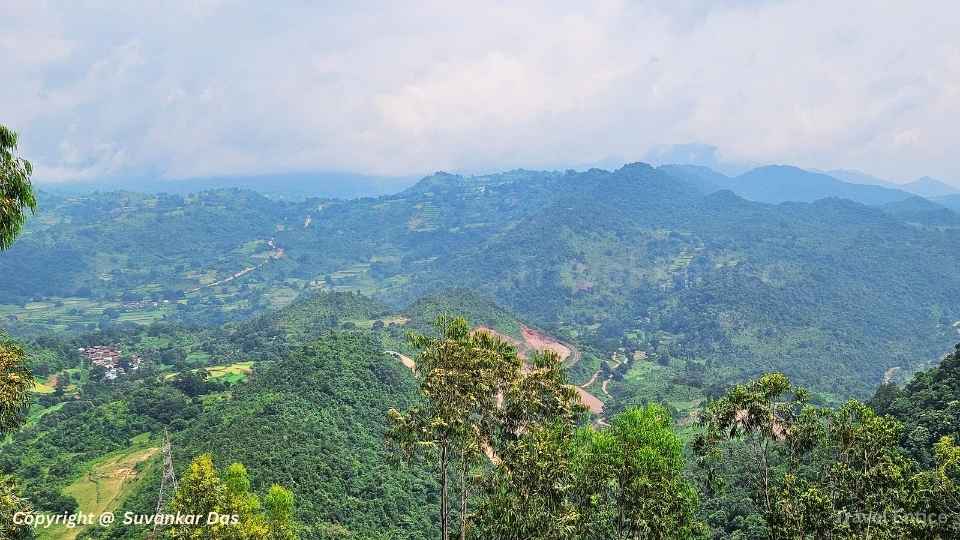
Perched at around 4,320 ft — one of the highest points along the Vizag–Araku road — Galikonda View Point offers sweeping natural panoramas that reveal the lush valleys and the highest-peak of the Eastern Ghats.
The viewpoint is a likely stop for photographers because the ridges, forests, and even glimpses of the train tracks below create a dramatic mountain canvas. Stalls nearby serve fresh coffee or tea, making it perfect for a refreshing break mid-journey.
Spend 15–20 minutes here soaking in golden afternoons — it’s a subtle but important visual reset between Borra Caves and deeper valley explorations.
5. Bamboo Bridge – Coffee & Calm
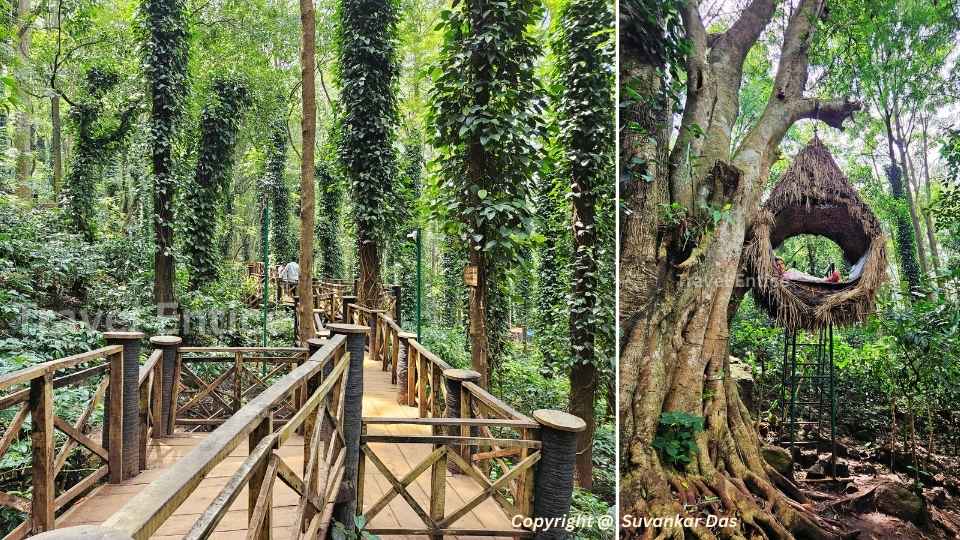
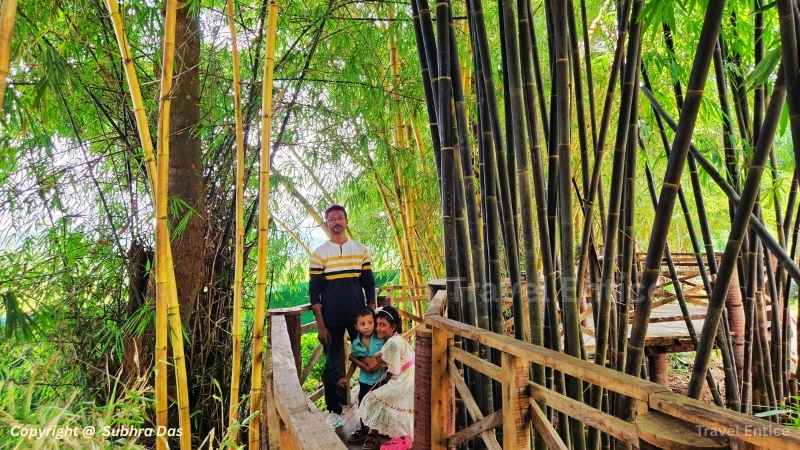
As you approach Araku, rolling slopes give way to expansive coffee plantations. Among these, the Bamboo Bridge & Coffee Plantation area isn’t just a photo spot — it’s an immersive walking experience. Elevated wooden bamboo walkways weave through shady groves of coffee bushes and towering trees, letting you truly feel the valley’s plantation culture.
You can pause to watch tribal workers harvesting ripe coffee cherries, smell rich earthy fragrances, and truly appreciate why Araku coffee has won national and international recognition as a premium organic brew.
Spending time here adds sensory depth to your Araku Valley journey, especially after waterfalls and cave trails.
Entry: ₹50 (Adult)
Time Required: 30–45 minutes
Evening in Araku Town
Reach Araku town by 5–6 PM.
After hotel check-in, you can take a short visit to the Araku Coffee Factory, where you learn about tribal coffee production and buy locally processed coffee.
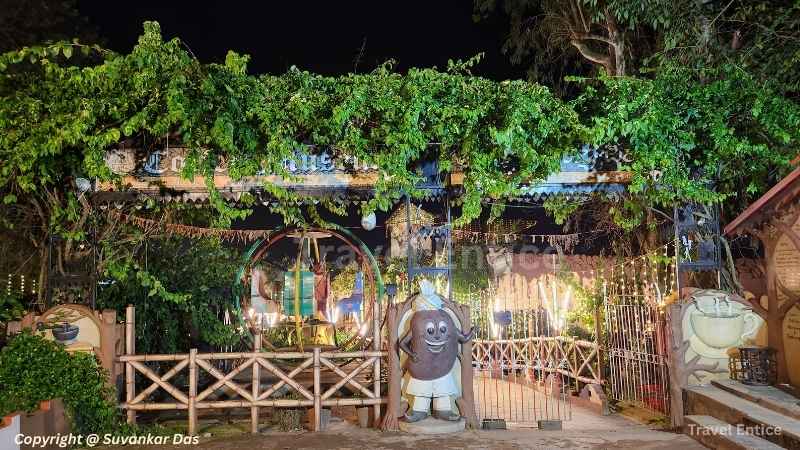
The Araku Coffee Factory adds cultural context to what you’ve just seen in the coffee plantations. Rather than just buying coffee or related souvenirs, this thematic factory allows visitors to see how different beans are processed — from drying and roasting to grinding and packaging.
While it’s a quieter stop on Day 1, it gives insight into the economic backbone of the valley.
Keep the evening relaxed. Day 2 starts early.
Day 2: Araku Local Sightseeing – Slow & Immersive
Day 2 focuses on culture, sunrise views, gardens, and river cascades.
Wake up by 5:30 AM.
6. Madagada View Point – Sunrise Over the Valley
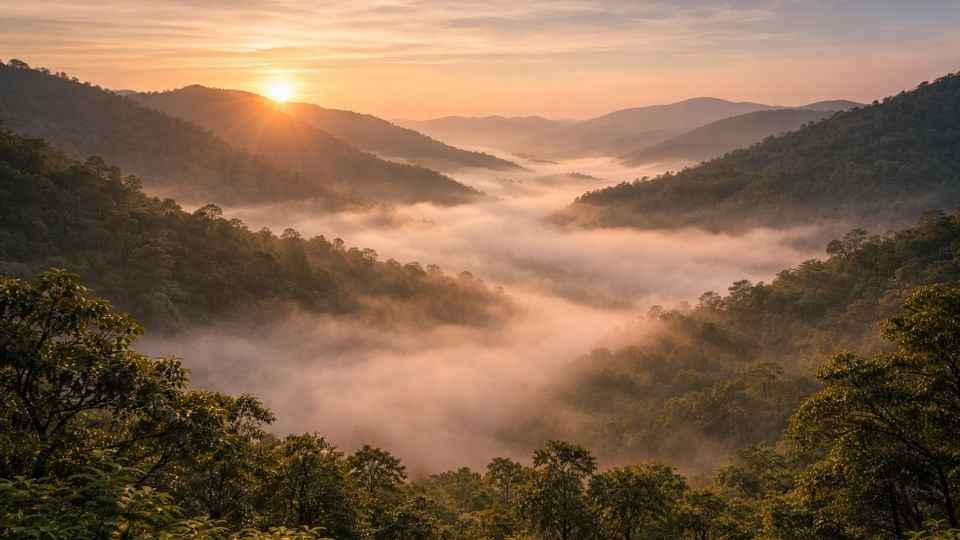
Madagada View Point is best visited before sunrise. The valley often fills with mist, and as sunlight gradually spreads across layered hills, the entire region looks tranquil and expansive.
This is one of the most peaceful experiences in this Araku Valley Trip Plan for 2 Days.
Spend around 30 minutes here.
7. Ranajilleda Waterfalls – Quiet & Less Crowded
Often overlooked by tour packages, Ranajilleda Waterfalls is a natural cascade tucked closer to Araku town. It’s smaller than Katiki or Cheparai, but its natural, less commercialized setting makes it special.
A short walk from the road brings you to a verdant riverside, where the water splashes over rocky steps. Because it’s less frequented, Ranajilleda is perfect for travellers who prefer quieter nature spots, especially early in the morning before the main crowds arrive.
This stop adds variety to Day 2 — balancing grand viewpoints with local, serene landscape
Spend 30–40 minutes here enjoying the sound of flowing water.
8. Araku Tribal Museum – Understanding the Region
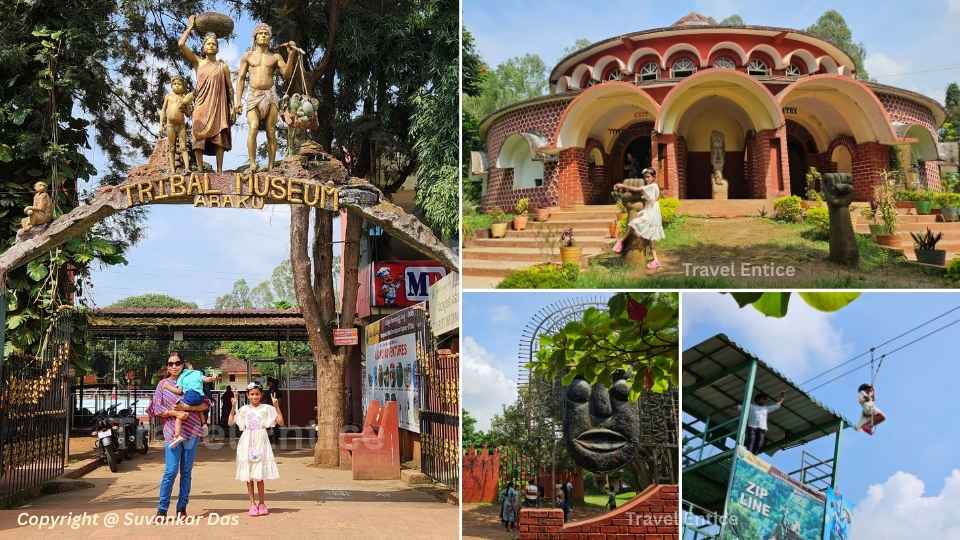
Established in 1996 by the Andhra Pradesh Tourism Development Corporation, Araku Tribal Museum showcases the culture of the tribal communities that have lived in the Eastern Ghats for centuries.
The exhibits include traditional tools, utensils, costumes, and ritual objects. Some areas recreate tribal homes and kitchens, while displays — supported by photographs and artwork — detail rites of passage, festivals, and agricultural life. You may also encounter occasional tribal dance and music demonstrations.
Visiting this museum connects the scenic journey with the people who have shaped Araku’s identity, making your trip more meaningful.
Entry: ₹40
Time Required: 1 hour
9. Padmapuram Gardens – Relaxed Family Stop
One of the most well-known attractions in Araku, Padmapuram Gardens blends horticulture with family-friendly activities. Originally developed in the mid-20th century as a horticultural nursery, the gardens now showcase a range of exotic plants, manicured lawns, colorful flower beds, and intricately landscaped sections.
A charming toy train circles parts of the garden, and tree-top huts offer playful relaxation for kids and adults alike. The combination of nature, light adventure, and picnic spaces makes it a pleasant stop after cultural exploration.
Spend 45 minutes walking around.
Entry: ₹100
10. Araku Chocolate Factory (Quick Stop)
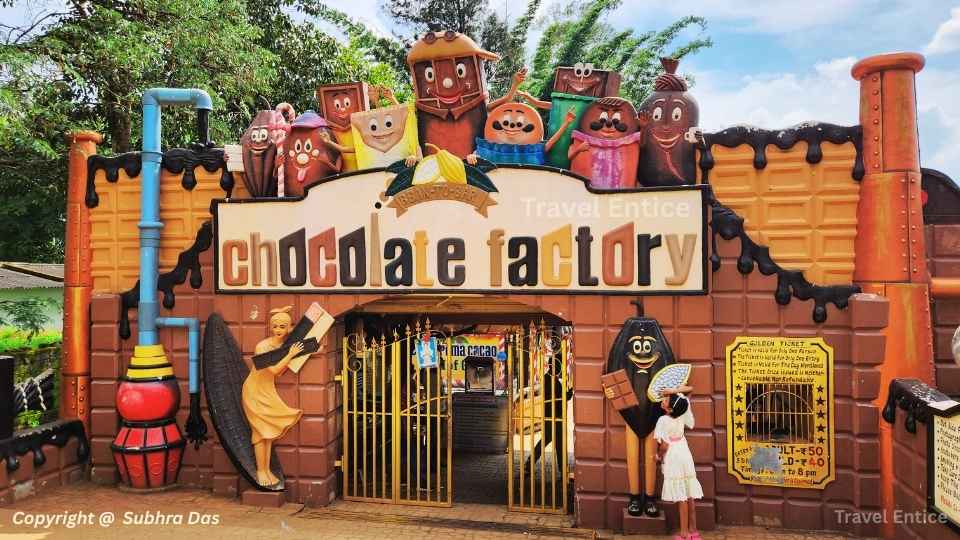
While coffee is the valley’s signature drink, chocolate is its signature treat. The Araku Chocolate Factory produces a range of chocolates — from milk and dark to flavored variations like coffee or fruit-nut blends — using locally sourced cocoa.
This stop may not be of interest to everyone, but as it is just beside the Padmapuram Garden, you shouldn’t skip it.
Visitors can learn about the entire cocoa-to-chocolate process, witness some stages of production, and sample freshly made chocolates. For families, especially with children, this stop adds a fun and delicious break amid mountains and waterfalls.
Spend:15-20 min
Entry fee: 40 per adult
11. Araku Pinnery
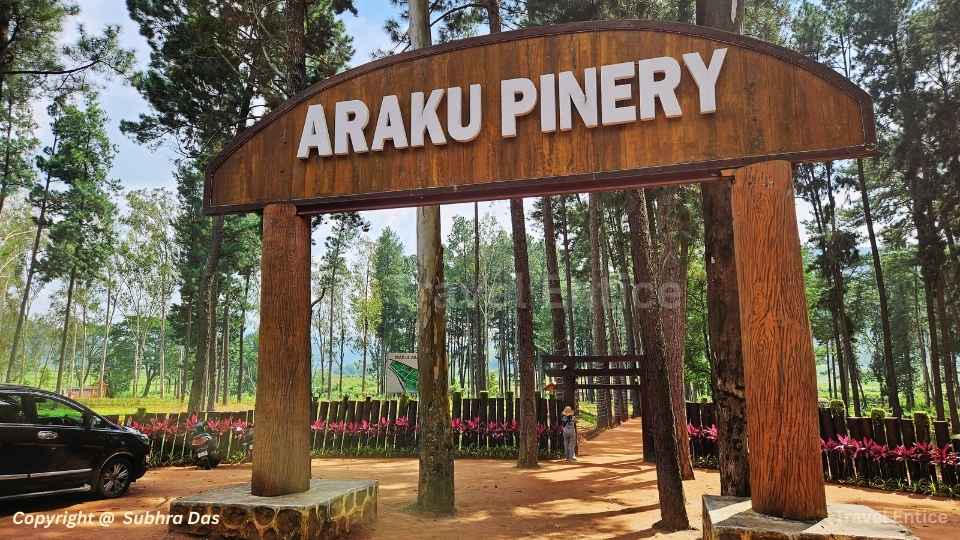
The Araku Pine Forest — also referred to locally as Araku Pinery — is an open green space featuring tall pine trees and gentle walking paths. It was developed as a picnic and eco-tourism spot, offering shaded rest areas, watchtowers, and scenic views across the valley’s mid-slopes.
Because pine forests are rare in this region, the area feels unique compared to the coffee estates and deciduous hills around Araku. It’s a good place to relax, stretch your legs, and enjoy fresh mountain air before moving to the next stop.
Spend 20–30 minutes.
Entry fee: ₹20
12. Cheparai Waterfalls – Perfect Lunch Stop
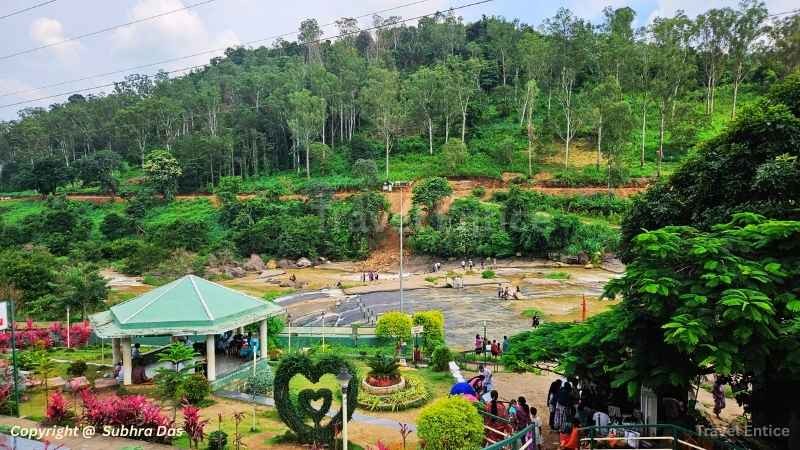
Cheparai Waterfalls is one of Araku’s most visually engaging riverside cascades. Rather than a single vertical drop, the river breaks into multiple flows over wide rocky terraces, creating shallow natural pools and a broad waterfall spread.
The easy accessibility and scenic layout make Cheparai a great lunch stop on Day 2. Local food stalls — especially those offering bamboo-cooked chicken or biryani — add a culinary highlight. Photographers will appreciate the waterfall’s expansive composition against forested hills.
Entry: ₹50
Time Required: 1 hour
Return to Vizag
Start your return by 3:30–4:00 PM.
Distance: Approx. 115 km
Travel Time: 3–3.5 hours
You should reach Vizag comfortably by evening.
Optional Extension
If you have an extra day in hand, you can extend this Araku Valley Trip Plan for 2 Days into a 2N–3D circuit by continuing beyond Araku, towards the higher hill stretches of the Eastern Ghats. This extended route covers Kothapalli Waterfalls, one of the most impressive cascades in the region, followed by Lambasingi, a mist-covered hill hamlet famous for its early morning “ocean of clouds” viewpoint.
Since this stretch involves longer driving distances (over 110 km from Araku town), it is best planned as a dedicated 3D–2N itinerary rather than rushing it within two days.
👉Read our detailed Araku–Lambasingi 2N–3D Tour Plan from Vizag for a complete breakdown of this extended route.
Araku-Lambasingi Tour Plan (in brief)
If you truly want to experience this region properly, follow this flow:
Day 1: Vizag → Borra → Katiki → Other on-road attractions → Araku (Night Stay)
Day 2: Araku Sightseeing → Vizag
Rushing through Araku reduces it to a checklist.
Get the PDF copy of the Tour Plan.
Final Travel Note
An Araku Valley Trip Plan for 2 Days (1 Night) is not about covering places mechanically — it’s about allowing the Eastern Ghats to unfold gradually.
Day 1 takes you through caves, forests, waterfalls, coffee estates, and winding mountain roads before you settle into the calm of Araku town at night.
Day 2 reveals a softer side — sunrise viewpoints, tribal culture, botanical gardens, pine landscapes, and cascading river formations — before you return to Vizag by evening.
Most tourists attempt a rushed Vizag–Araku–Vizag day trip. But staying one night in Araku changes everything. The pace slows, the mornings feel different, and the experience becomes layered instead of hurried.
Slow down.
Stay one night.
Let Araku breathe.

Dr. Suvankar Das is a scientific advisor by profession, associated with a CRO organization. He pursued his doctoral degree in Chemistry in 2015. Later, he worked as a postdoctoral researcher & scientist in a couple of institutes/companies.
Besides his scientific journey, Dr. Das is also a passionate traveler and travel blogger. He loves to share all his travel experiences with other travelers so that everyone can enjoy hassle-free holidays with their own tour plans.
He believes, the most beautiful thing in this world is the WORLD itself. so there is no way to live like a clock; rather live it like a compass!